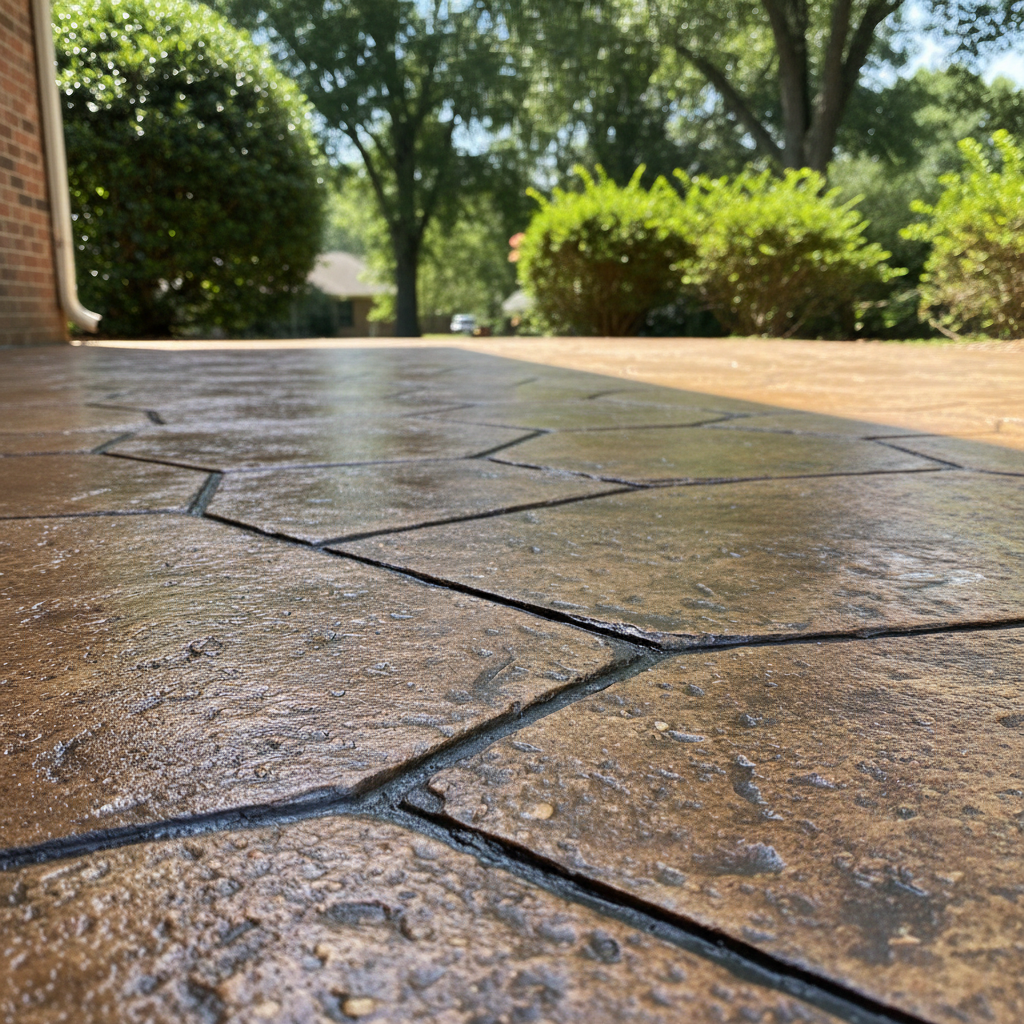
Alright, let's talk decorative concrete. Folks around Dothan are always asking me about stamped patios, stained floors, or even polished garage floors. It's a great way to add some serious curb appeal and value to your home without breaking the bank, especially compared to some other materials. But before you dive in, there are a few things you really ought to know.
Before You Start: Planning Your Decorative Concrete Project
First off, you need a clear vision. What look are you going for? Are we talking about a new patio that mimics flagstone? Or maybe an existing concrete slab you want to stain to look like marble? The options are pretty wild these days, from stamped patterns that look just like wood planks to acid stains that create unique, mottled effects. I've seen some incredible transformations right here in neighborhoods like the Highlands, where a basic gray slab turned into a stunning outdoor living space — pretty cool, right?
Think about your budget too. Decorative concrete isn't always cheap, but it's often more cost-effective than laying down natural stone or tile, especially for larger areas. Plus, it's durable as heck if done right. Also, consider the concrete you already have. If you've got a cracked-up, uneven slab, that's a whole different ballgame than working with a fresh pour. Sometimes, you're better off tearing out the old and starting new. Don't try to put lipstick on a pig, as they say.
What You Can DIY vs. When to Call a Pro
This is where it gets real. Some decorative concrete projects are definitely within a homeowner's reach, while others? You're going to want a seasoned pro. Trust me on this.
- Easy DIY: Concrete paint or simple sealers. If you're just looking to add a basic color coat or a protective clear sealer to an existing, sound slab, you can probably handle this yourself. It's a lot like painting a floor. Just make sure the surface is super clean and prepped right.
- Intermediate DIY (with caution): Basic concrete stains (water-based) or simple stenciling. If you're patient and follow instructions to the letter, you might get a decent result with a water-based stain. Practice on a small, inconspicuous area first. Stenciling can be tricky to get perfectly uniform, but for a small accent, it's doable.
- Call a Pro, Every Single Time: Stamped concrete, acid staining, epoxy coatings, polished concrete, or any project involving new concrete pours. Seriously, don't mess with these. Stamping requires specialized tools, timing, and an artistic eye to get those patterns to look natural. Acid staining is a chemical reaction; it's unpredictable and permanent if you screw it up. Epoxy coatings need precise mixing and application to avoid bubbles and unevenness. Polished concrete? That's heavy machinery and a lot of know-how. Trying to DIY these often leads to a result you'll regret and then pay even more for a pro to fix. We've seen it happen.
Especially with our Dothan climate – the humidity and those sudden afternoon downpours – getting the timing right for things like stamping or staining is crucial. A pro knows how to work with those conditions, not against them.
During the Project: What to Expect
If you're hiring us, or another reputable company, here's what you should expect. First, we'll give you a detailed plan and quote. We'll discuss patterns, colors, textures, and what kind of sealer we'll use. Prep work is huge. For existing concrete, that means a thorough cleaning, maybe some grinding, and definitely repairing any cracks or spalls. For new concrete, it's all about proper sub-base preparation and pouring a solid, level slab.
The actual decorative application can be quick or take a few days, depending on how complex it is. Stamping happens while the concrete is still wet but firm enough to hold a pattern. Staining or coating happens after the concrete has fully cured, which can be 28 days for new concrete. Communication is key. Don't be afraid to ask questions throughout the process. A good contractor will keep you in the loop.
After the Project: Maintenance and Care
Once your beautiful new decorative concrete is in place, you want to keep it looking good, right? Maintenance isn't too complicated, but it is important.
- Cleaning: Regular sweeping and occasional washing with a mild detergent and water is usually all you need. Don't use harsh chemicals or abrasive cleaners, especially on stained or sealed surfaces.
- Sealing: This is the big one. Most decorative concrete, especially outdoors, needs re-sealing every 2-5 years. The sealer protects the color, prevents stains, and helps resist wear and tear. Our Dothan sun can be brutal, and a good sealer is your best defense against fading and surface damage. Inside, you might get away with longer, but it still needs attention.
- Avoid Damage: Be careful with heavy furniture, dragging things across the surface, or using metal shovels for snow (not a huge problem here, but you get the idea). If you spill something like oil or grease, clean it up quickly.
If you're ever unsure about maintenance or if you see something that looks off, just give us a call at Vertex Concrete Constructions. We're always happy to answer questions for our Dothan neighbors. Getting decorative concrete done right adds so much character and value to your home, and with a little planning and care, it'll look fantastic for years to come.