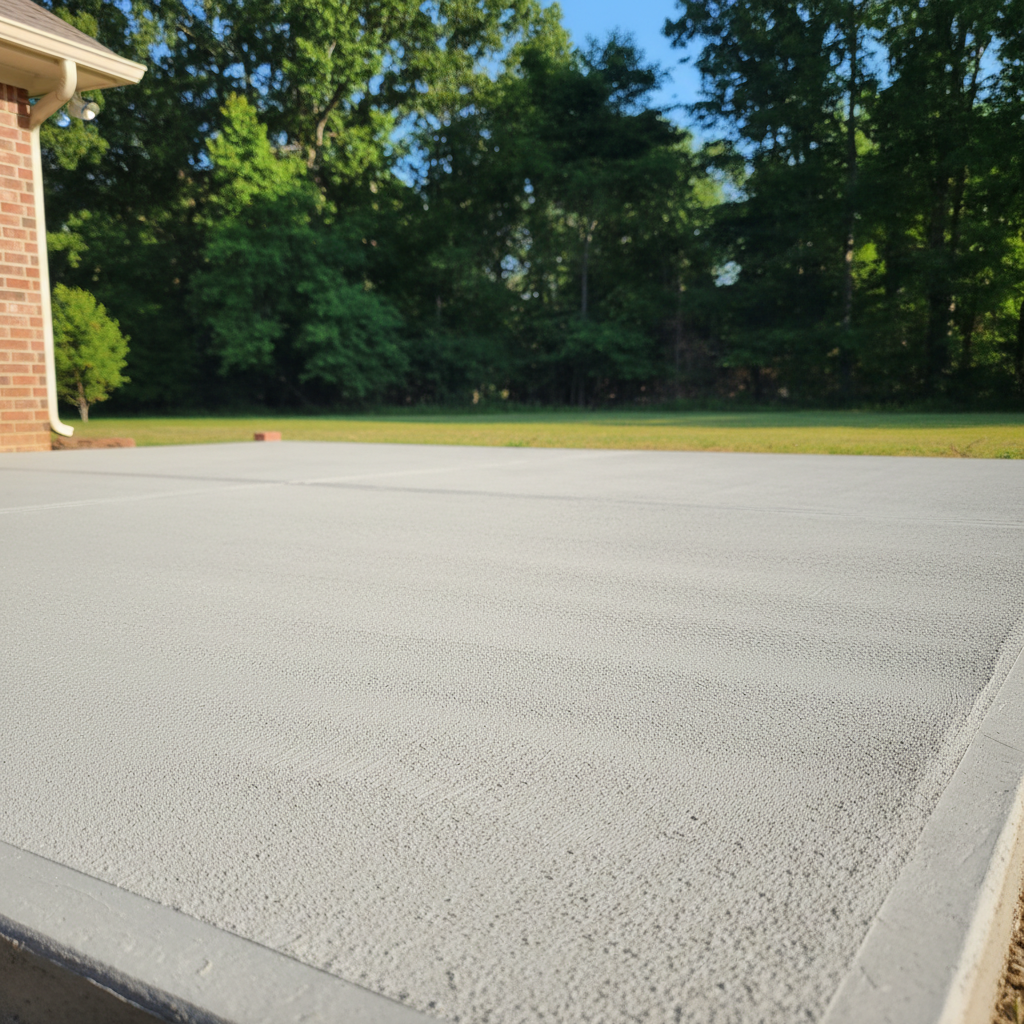
What exactly is concrete flatwork?
Alright, let's start simple. When I talk about concrete flatwork, I'm really talking about any concrete poured on a flat, horizontal surface. Think driveways, patios, sidewalks, garage floors, pool decks — even foundations for sheds or those smaller buildings. It's the bread and butter of what we do at Vertex Concrete Constructions, and it's probably what you picture when someone says 'concrete job.' It's different from, say, concrete walls or decorative elements that might stand vertical or have complex shapes. For homeowners, flatwork usually means improving access, creating outdoor living spaces, or just making your property more functional and, honestly, more appealing.
How long does concrete flatwork really last in Dothan?
This is a big one, and the honest answer is: it depends. But a well-installed concrete slab should last you decades. I'm talking 20, 30, even 40 years if it's done right and you take care of it. What affects that lifespan? A few things. First, the quality of the mix. We don't skimp on that, ever. Second, the preparation of the subgrade – that's the dirt underneath. If it's not properly compacted and drained, you're just asking for trouble down the line, especially with our red clay soil here in Dothan. That stuff can expand and contract, and if your base isn't solid, you'll definitely see cracking. Third, proper curing. That's a critical step that a lot of folks try to rush, but it's essential for strength. And finally, maintenance. Sealing your concrete every few years helps a ton, believe me.
What causes concrete to crack, and can it be prevented?
You know, people see a crack and immediately think the world's ending, or the contractor messed up. While sometimes that's true, concrete cracks. It's just a fact of life. It shrinks as it dries, and that creates stress. Thermal expansion and contraction from our hot Dothan summers and occasional cold snaps also play a role. The goal isn't to prevent *all* cracks, but to control *where* they happen and minimize their size. We do this with control joints – those lines you see cut into new concrete. They're not just for looks; they're stress relievers. We also use rebar or wire mesh for reinforcement. Proper subgrade prep, a good mix, and careful pouring and curing all help reduce cracking, but you'll likely see some hairline cracks over the years. It's usually not a structural issue unless they're wide, uneven, or growing fast, right?
Do I need a permit for a new concrete driveway or patio?
Yep, usually you do. This isn't something to skip over. For most significant concrete flatwork projects, like a new driveway, a large patio, or an addition to an existing slab, the City of Dothan will require a permit. This makes sure the work meets local building codes and zoning requirements. It's for your safety and to ensure the work is done correctly. As a contractor, it's my responsibility to know these rules and help you navigate the permit process. We'll handle the paperwork and make sure everything's above board before we even start digging. Trying to do it without one can lead to fines, delays, or even having to tear out work you've already paid for.
How long before I can use my new concrete?
Patience is key here, folks. I know you're excited about that new patio or driveway, but rushing it is a bad idea. For light foot traffic – like walking on it – you can usually do that after 24-48 hours, especially in our warm Dothan weather. But for anything heavier, you need to wait longer. I tell folks to keep vehicles off a new driveway for at least 7 days, and ideally 28 days for it to reach its full design strength. That 28-day mark is when concrete hits about 99% of its strength. The longer you can let it cure undisturbed, the stronger and more durable it'll be in the long run. It's totally worth the wait, trust me.
What kind of maintenance does concrete flatwork require?
Concrete is pretty low maintenance, which is one of its big appeals, but it's not zero maintenance. The biggest thing you can do is seal it. I recommend sealing your concrete every 2-5 years, depending on traffic and exposure. A good sealer protects against stains, moisture penetration, and helps it stand up to the elements. Beyond that, just keep it clean. A good pressure washing once a year or so will remove dirt, mildew, and grime. If you spill something, clean it up quickly. Don't let oil or chemicals sit on it. And if you have any small cracks develop, it's a good idea to seal them to prevent water from getting in and causing bigger problems, especially during any freeze-thaw cycles we might get in winter.