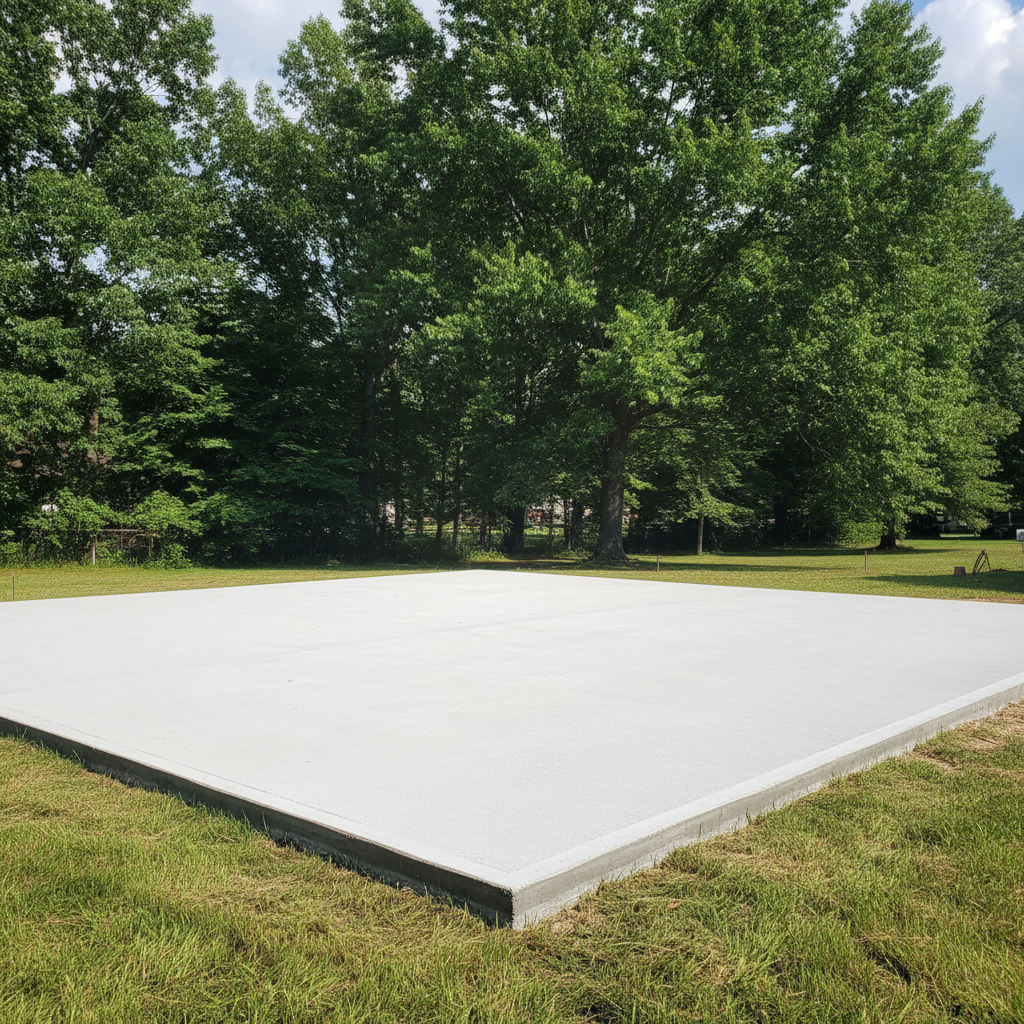
Your home's foundation isn't something most folks think about every day, but honestly, it's probably the most important part of your whole house. It's the thing holding everything up, keeping it stable, and protecting what's likely your biggest investment. Here in Dothan, with our hot, humid summers and those occasional, truly heavy downpours, concrete foundations face some unique challenges. But don't sweat it too much; a little common sense and regular attention can keep your foundation solid for a very long time.
Making Your Foundation Last Longer
You want your foundation to last, right? Of course you do. The absolute biggest thing you can do to extend its life is manage the water around your house. I really can't stress this enough. Water is concrete's number one enemy when it comes to long-term damage, especially with the expansive clay soils we often see around areas like the Highlands or Westgate. When that soil gets super wet, it swells up, pushing against your foundation. Then, when it dries out, it shrinks, pulling away. This constant movement puts a lot of stress on the concrete.
So, what's the plan? Make sure your gutters are clean and working properly, sending water at least five feet away from your foundation. If you've got downspouts just dumping water right next to the house, well, you're asking for trouble. Think about adding extensions or even a French drain system if you have persistent pooling issues. Also, keep an eye on your landscaping. Don't plant large trees or shrubs too close to the foundation. Their roots can suck moisture out of the soil unevenly, causing what we call differential settlement, or they can even grow under the slab and cause it to lift.
Regular Upkeep: What You Need to Do
Regular maintenance for your foundation isn't some super complicated thing, but it is absolutely crucial. Think of it like changing the oil in your car – a small effort, but a huge payoff.
- Check It Annually: Once a year, take a walk around your house. Look at the foundation walls, both inside your crawl space (if you've got one) and outside. You're just looking for anything new or different, you know?
- Watch the Drainage: After a good rain, step outside and see where the water's actually going. Is it pooling near the foundation? Or is it running away freely? Adjust your landscaping or drainage as needed.
- Seal Small Cracks: If you spot small, hairline cracks (less than 1/8 inch wide), you can often seal these yourself with a good quality concrete caulk or sealant. This stops water from getting in and making the problem worse. Just make sure the area is clean and dry before you put it on.
- Keep Soil Consistently Moist: This might sound a little backward after all I said about water, but consistent moisture is key, especially during our dry spells. If the soil around your foundation dries out too much, it shrinks, and that can lead to settlement. Running a soaker hose a few feet from the foundation for an hour or two a couple of times a week during a drought can really make a difference.
Signs of Foundation Trouble
Knowing what to look for can save you a lot of grief and money down the road. Don't ignore these signs; they usually don't just magically get better on their own.
- Cracks: Not just any crack, but specific types. Horizontal cracks, stair-step cracks in brick mortar, or cracks wider than a quarter-inch are big red flags. Vertical cracks that are wider at the top or bottom than in the middle can also point to movement.
- Sticking Doors and Windows: If doors suddenly start sticking or don't latch properly, or if windows are hard to open or close, it could be a sign that your house frame is shifting because of foundation movement.
- Uneven Floors: If you walk across a room and feel like you're going uphill or downhill, or if you notice significant slopes, that's a pretty clear indicator of foundation issues.
- Gaps Around Windows or Doors: Sometimes you'll see gaps forming between window or door frames and the exterior siding, or even between interior trim and walls.
- Bowing Walls: In a basement or crawl space, if you notice the concrete block or poured walls are bowing inward, that's serious business.
When to Bring in a Professional
Look, I'm a concrete guy, and I know a lot about foundations. But there are times when you really need to call in the experts. If you see any of those major warning signs I just mentioned, please don't try to DIY a fix. You're dealing with the structural integrity of your home, after all.
Call a professional foundation repair specialist or a structural engineer if you:
- Notice significant, widening cracks.
- Have doors or windows that are severely misaligned.
- See noticeable sloping in your floors.
- Discover bowing or bulging foundation walls.
- Have persistent water intrusion in your crawl space or basement that you can't solve with simple drainage fixes.
At Vertex Concrete Constructions, we focus on getting your concrete right from the start, whether it's a new slab or a repair. But even the best concrete needs care. Taking these steps will help ensure your Dothan home's foundation stays strong and stable for decades to come, protecting your investment and letting you sleep a little easier.