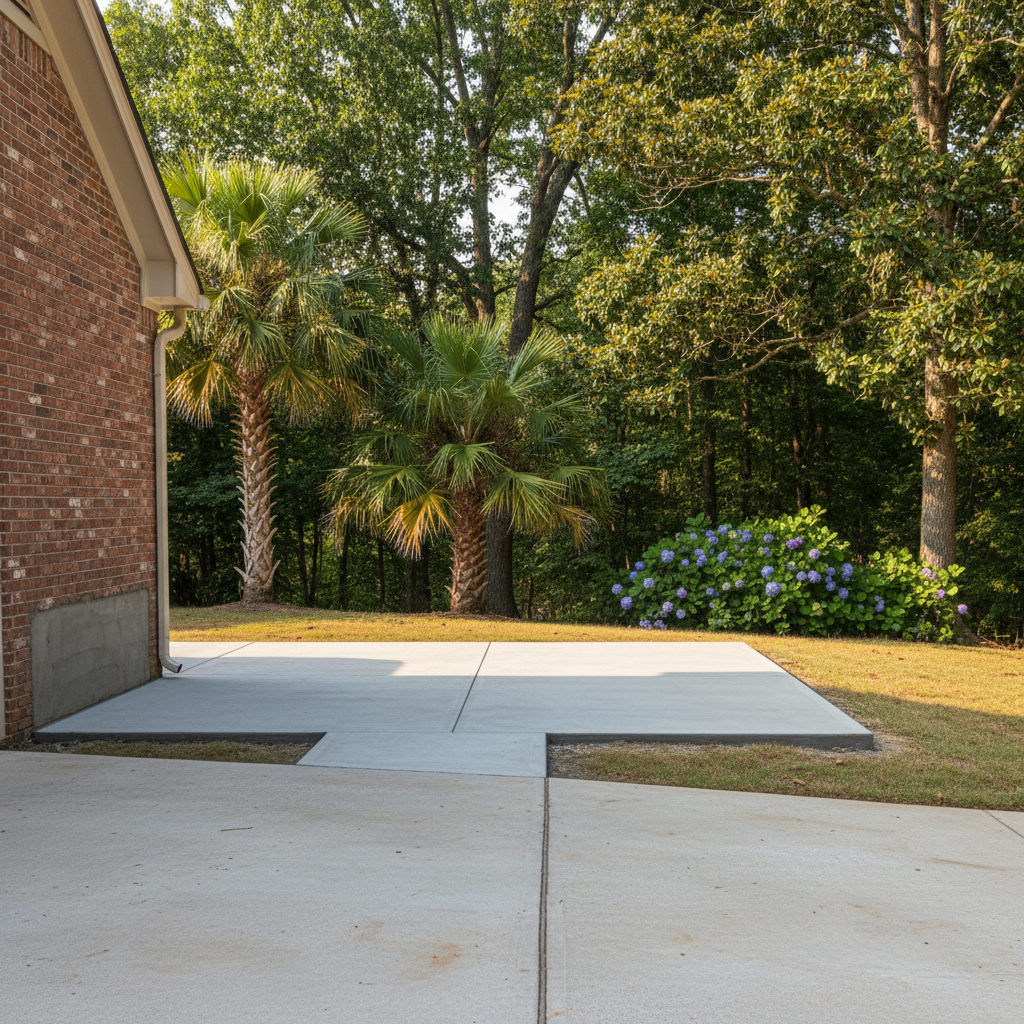
So, you've got some concrete that's seen better days, huh? Maybe it's a cracked driveway, a sinking patio, or some crumbling steps. It happens, especially with our Dothan weather. Those scorching summers and the occasional freeze-thaw cycles can really do a number on concrete, particularly if it wasn't poured right or maintained well. When you're ready to tackle a repair project, it's not just about finding someone to pour new stuff. There's a whole process involved, and understanding what to expect can save you a lot of headaches. Plus, it helps ensure you get the job done right the first time.
Your Concrete Repair Timeline: What to Expect
Let's talk timelines. This usually isn't a one-day job. From your first phone call to the final cure, it's a series of steps. First, you'll reach out to a few contractors. Don't just call one; get a few bids. This initial phase—from your first call to actually getting estimates in hand—can take anywhere from a few days to a couple of weeks, depending on how busy folks are. Once you pick a contractor (like us at Vertex Concrete Constructions), we'll schedule the work. Depending on our current workload and how complex your job is, that might be a week out, or it could be a month. Good contractors are often booked up, so plan ahead.
The actual work itself? A typical driveway repair or patio replacement might take 1-3 days for demolition, prep, and pouring. But that's not the end. Concrete needs to cure. You're usually looking at 24-48 hours before you can lightly walk on it, and then a good 7-10 days before you can drive a car on it. Full strength takes about 28 days. So, from start to finish, including all that cure time, you're looking at anywhere from 2 weeks to over a month for the whole process to be truly complete and ready for heavy use.
The Repair Process: From Quote to Cure
Here's a quick rundown of what usually happens. First, we come out, take a look at the damage, measure things up, and talk about what you want. We'll give you an estimate detailing the scope of work and cost. If you give us the green light, we'll get you on the schedule. On work day one, if there's old concrete, we're tearing it out. This can be noisy and dusty, so be prepared! We'll haul away the old stuff. Next, it's all about preparation: grading the sub-base, compacting the soil, laying down any necessary rebar or wire mesh. This is crucial for longevity, especially with our red clay soil here in the Wiregrass that can shift. Then comes the formwork—building the frame for your new concrete.
Pour day is exciting. The concrete truck arrives, and we get to work pouring, screeding, floating, and finishing the surface. This is where the skill really shows, getting that smooth, even finish. After that, we might apply a curing compound to help the concrete cure properly, preventing it from drying out too fast. Then, it's a waiting game for the cure. We'll give you instructions on how to protect it during this time, like keeping heavy vehicles off it. Finally, once it's cured, we might come back to cut expansion joints if they weren't tooled in during the pour. That helps control cracking, you know?
How to Get Ready for Your Project
Getting your property ready isn't too tough, but it really helps things go smoothly. Clear the work area of anything valuable or in the way – potted plants, lawn furniture, toys, vehicles. If we're working near your house, you might want to cover nearby windows or sensitive landscaping to protect them from dust or splatter. Make sure we have clear access for our equipment and the concrete truck. Think about where we can stage materials and park. Also, if you have underground sprinklers or invisible dog fences, let us know exactly where they are. We definitely don't want any surprises when we start digging or demolishing.
Smart Questions to Ask Before You Sign
Before you commit, you've got to ask the right questions. Don't be shy. This is your home and your money, after all. Here are a few I recommend:
- What's included in the price? Make sure the quote covers everything: demolition, hauling away debris, materials, labor, and any necessary permits.
- How long have you been in business? Experience matters, especially with concrete.
- Can you provide references? A good contractor will happily share contacts for past clients.
- Are you licensed and insured? This is non-negotiable. You want to be protected if something goes wrong.
- What kind of concrete mix will you use? Ask about the PSI strength. For driveways in Dothan, you typically want at least 3500 PSI.
- What kind of sub-base preparation do you do? This is critical for preventing future cracking and settling.
- What's your plan for expansion joints? Proper joint placement is key to managing concrete's natural tendency to crack.
- What's the payment schedule? You usually pay a portion upfront, then the rest upon completion. Don't pay for the whole thing before the work starts.
- What kind of warranty do you offer? Good work should come with a guarantee.
- How do you handle unexpected issues? Sometimes things come up. You want to know how they'll communicate and resolve them.
Asking these questions will give you a clear picture of what to expect and help you feel confident in your choice. A good contractor, like Vertex Concrete Constructions, will appreciate your thoroughness and be happy to answer every single one.