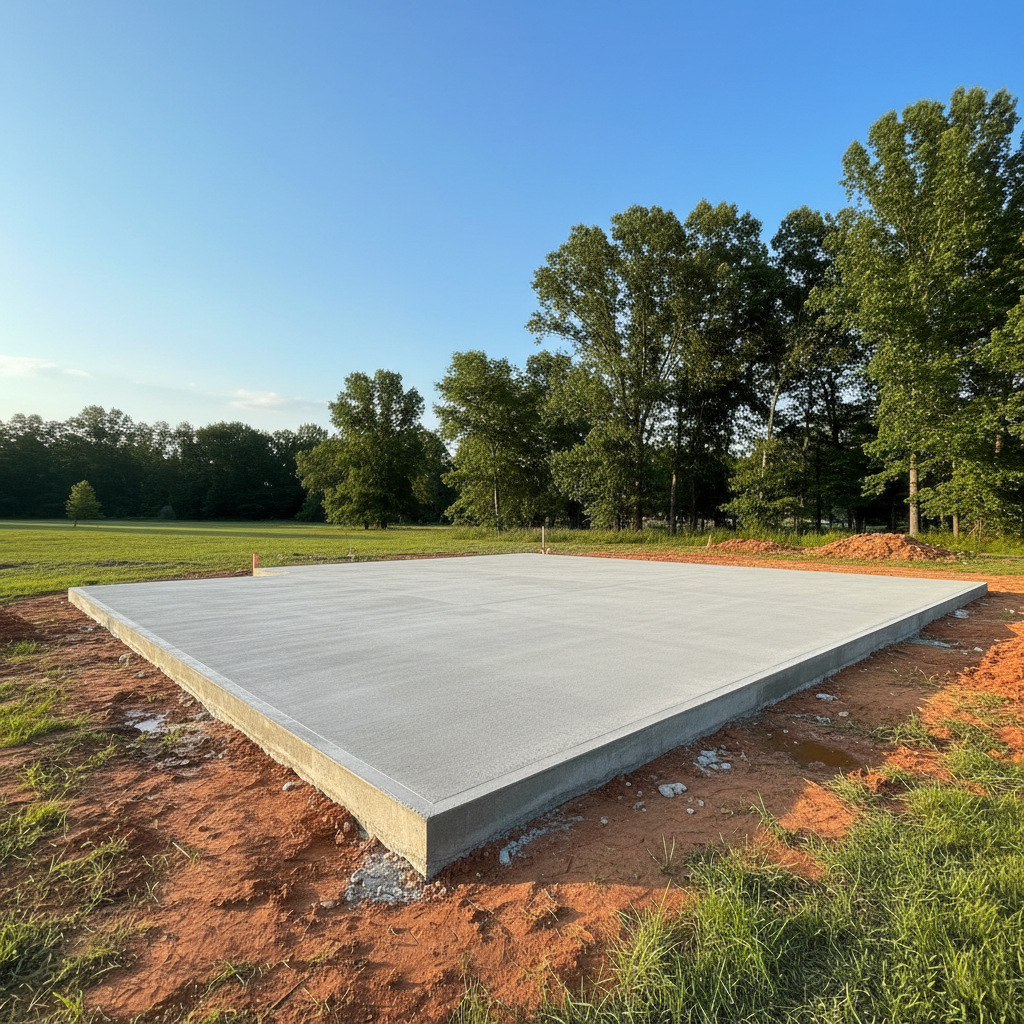
Getting a new concrete foundation poured or repaired? That's a pretty big deal. It's literally the base of your home, or whatever structure you're putting up. Here in Dothan, I've seen my fair share of foundation projects go sideways, mostly because folks didn't really know what to look out for. I want to help you skip those headaches.
Mistake #1: Not Getting Enough Detail in the Bid
This is probably the most common one I see. You get three bids, they all look different, and you just pick the cheapest one. But did you *really* compare apples to apples? A lot of contractors will give you a super basic price, and then once they start, all these 'extras' pop up. Suddenly, that cheap bid isn't so cheap anymore, is it?
What you really need is a detailed breakdown. I'm talking about things like:
- The thickness of the concrete slab. Is it 4 inches? 6 inches? That actually makes a big difference.
- What kind of reinforcement are they using? Rebar? Wire mesh? Both? How far apart will it be?
- Is site preparation included? Grading, excavation, compacting the soil? Especially with our red clay around here, proper compaction is non-negotiable if you want a stable foundation.
- What about vapor barriers? Termite treatments? These are crucial for how long your foundation lasts and for preventing future problems.
- Who's responsible for permits and inspections?
If a bid is just a single number, or super vague, that's a red flag. Ask questions until you understand every single line item. A good contractor, like us at Vertex Concrete Constructions, will be happy to explain it all.
Mistake #2: Skipping Proper Site Preparation
I can't stress this enough. A foundation is only as good as what it's sitting on. In Dothan, we've got some pretty challenging soil conditions. Our clay can expand and contract a lot with moisture changes. If the ground isn't properly prepared, leveled, and compacted, you're just asking for trouble down the road. We're talking cracks, settling, and major structural issues.
Some folks try to cut costs by doing the prep work themselves or hiring someone cheap who doesn't understand soil mechanics. Don't do it. A professional will know how to assess the soil, properly grade the area for drainage, and compact it to the right density. They'll also make sure any organic matter is removed, because that stuff decomposes and creates voids.
Mistake #3: Not Checking References or Insurance
You wouldn't hire someone to babysit your kids without checking them out, right? Your foundation is way more expensive than a night out. Always, always, always check references. Ask to see other foundation projects they've done, preferably ones that are a few years old so you can see how they've held up.
And insurance? Non-negotiable. Make sure they have general liability insurance and workers' compensation. If they don't, and someone gets hurt on your property or they damage something, you could be on the hook. Ask for proof of insurance directly from their insurance company, not just a certificate from the contractor. It's a simple step that protects you big time.
Mistake #4: Ignoring the Importance of Good Drainage
Water is concrete's worst enemy, especially around a foundation. If water collects around your slab, it can lead to erosion, undermine the foundation, or even seep into your structure. I've seen plenty of homes in areas like the Highlands with drainage issues that cause significant foundation problems over time.
When planning your foundation, make sure the contractor considers proper grading away from the structure. This means a slight slope that directs water away. Think about gutters and downspouts too – they need to discharge water well away from the foundation. It's a small detail that makes a huge difference in the long run.
Mistake #5: Focusing Only on the Upfront Cost
I get it, money matters. But with a foundation, the cheapest option is rarely the best option. A poorly built foundation will cost you a fortune in repairs down the road, not to mention the stress and devaluation of your property. Think of your foundation as a long-term investment. You want quality materials, experienced labor, and a contractor who stands behind their work.
Ask about warranties. What do they cover? For how long? A reputable contractor will offer a warranty on their work. If they don't, or it's super short, that's another sign to be wary.
Take your time, do your homework, and don't be afraid to ask tough questions. Your peace of mind, and the stability of your home, depend on it.