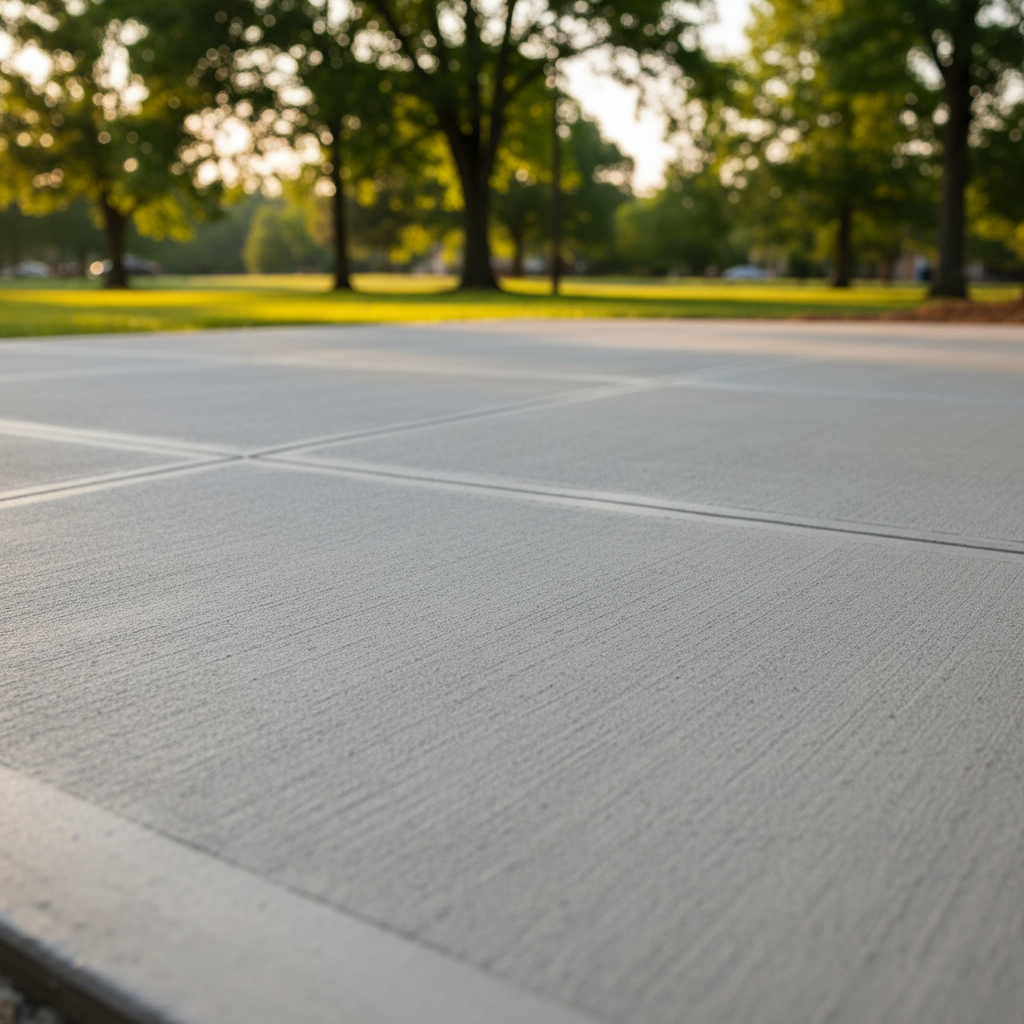
What's the deal with concrete curing? How long until I can use my new driveway?
Honestly, this is probably the question I get asked most often, and it's a really good one because how you cure concrete makes a huge difference in how strong it ends up. Curing isn't just about letting the concrete dry out; it's a chemical process where the cement actually hydrates and hardens. You simply can't rush it. For a new driveway, I always tell folks to keep *everything* off it for at least 7 days. That means no cars, no heavy equipment, not even riding your bike over it. After that first week, you can usually drive a passenger car on it, but I'd still suggest waiting a full 28 days for it to reach its maximum strength before parking heavy trucks or RVs on it regularly. Think of it like letting a wound heal properly; you don't want to mess with it too soon, right? Proper curing means keeping the concrete moist, usually with water, special curing compounds, or even plastic sheeting. This is especially important during our hot Dothan summers. It helps minimize those annoying shrinkage cracks and makes the concrete much tougher.
My old concrete is looking pretty rough. Can it be repaired or does it need to be replaced?
Well, that really depends on what kind of "rough" we're talking about. Minor surface cracks, spalling (that's when the surface flakes off), or just some discoloration can often be fixed up. Sometimes we can grind down uneven spots or put down an overlay. But if it's a structural problem — like major settling, big deep cracks running all the way through the slab, or multiple sections that have heaved up and sunk down — then replacing it is usually the smarter, more cost-effective choice in the long run. Patching up big structural issues is kind of like putting a band-aid on a broken leg; it just won't hold up. I always come out and take a look myself. I'll give you my honest opinion about whether we can save it or if it's really time for a fresh start. We certainly don't want to sell you a replacement if a repair will genuinely do the trick.
What causes concrete to crack, and how can I prevent it?
Okay, let's be real for a minute: all concrete cracks. It's not a question of "if," but "when" and "how much." Concrete shrinks as it dries, and that shrinkage creates tension. If that tension doesn't get relieved, it cracks. The best way to manage this is by putting in proper joint placement. We saw-cut control joints into the concrete at specific intervals. These joints create weakened planes where the concrete is *supposed* to crack, which keeps those cracks straight and tidy instead of letting them wander all over your driveway. Poor subgrade preparation, not curing it right, too much water in the mix, or even tree roots can also cause cracking. Here in Dothan, our expansive clay soils can also play a part, causing movement under the slab. That's why we pay extra attention to compacting the subgrade and sometimes use rebar or wire mesh for added reinforcement, especially in areas like the Highlands where soil conditions can vary quite a bit.
How do I clean and maintain my concrete flatwork to keep it looking good?
It's not rocket science, but a little regular care really goes a long way. For general cleaning, a good power wash once a year can work wonders. You can use a mild detergent for tougher stains like oil or mildew. Just be careful with the pressure washer, though; too high a setting can actually damage the surface. For oil stains, try a degreaser and a stiff brush before rinsing everything off. Sealing your concrete is also a big deal for maintenance. I recommend sealing driveways and patios every 2 to 5 years, depending on how much traffic they get and how much sun they see. A good sealer protects against stains, stops moisture from getting in, and extends the life of your concrete. It's like waxing your car; it keeps it looking sharp and protected from the elements.
Is stamped concrete durable? Will it fade over time?
Absolutely, stamped concrete is durable. It's still concrete, after all, and it's built to last just like any other slab we pour here at Vertex Concrete Constructions. The key to its durability and keeping its good looks is proper installation and sealing. The stamping process itself doesn't weaken the concrete. As for fading, yes, the color can fade over time, especially with constant exposure to our intense Alabama sun. That's where sealing comes in again, you see. A good quality, UV-resistant sealer will protect those color pigments from fading and keep your stamped patio or walkway looking vibrant for years. When we apply the color, we use integral colors mixed right into the concrete or color hardeners applied to the surface, followed by release agents, and then a quality sealer. Regular re-sealing will maintain that rich color and protect the surface from wear and tear.
What's the difference between rebar and wire mesh, and do I need either?
Both rebar (that's reinforcing bar) and wire mesh (which is welded wire fabric) are types of steel reinforcement we use in concrete. They serve slightly different purposes and are used in different situations. Rebar is typically made of thicker, stronger steel bars, usually ribbed, and its job is to add tensile strength to concrete. Concrete is great when you push on it, but it's pretty weak when you pull it apart. Rebar helps it resist that pulling. We use rebar in thicker slabs, foundations, or where we expect really heavy loads. Wire mesh, on the other hand, is a grid of smaller steel wires. It's mainly used to control cracking caused by shrinkage and temperature changes. It helps hold the concrete together if it *does* crack, stopping those cracks from getting wider. For most residential flatwork, things like driveways and patios, wire mesh is usually enough to help control shrinkage cracks. However, for heavier duty applications or if the ground underneath is particularly unstable, we might suggest rebar or even a combination of both. It really just depends on the specific project and what kind of stress the concrete will be under.